Orchard Tour at the Green & Gold Community Garden

The Green & Gold Community Garden has been in operation at the University of Alberta’s South Campus since 2009. Volunteer-run, the proceeds raised from the two acre farm go towards a not-for-profit organization that supports women in Rwanda. They grow about 50 different types of produce, with the availability posted on their website every week. Though I’d been to the garden early on and a few times over the years, I wasn’t aware that the farm was adjacent to a small orchard. At the end of July, Mack and I attended a free tour of the orchard to learn more about some of the fruits that can be grown in our climate.

Green & Gold Community Garden Orchard Tour

Green & Gold Community Garden

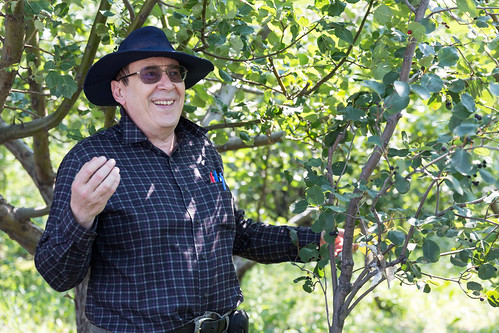
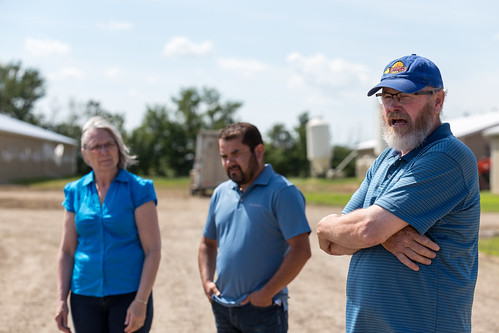
The tour was led by Gabe Botar, who worked for the U of A as a horticulturalist for 30 years and initiated the orchard. Although he has since retired, he is now a mentor to the Green & Gold volunteers who have taken over the responsibility of caring for the orchard he developed over 25 years ago.

Green & Gold Community Garden Orchard Tour

Gabe Botar

The hour long tour showcased the variety contained in the orchard. Some of the fruits we encountered are more commonly found around the city – apples, Evans cherries, saskatoons, goji berries – but some were unexpected, such as pears, grapes, apricots and butternut. The Green & Gold Garden sells the apricots collected from the trees, so it’s worth a visit if you’re wondering what they taste like!

Green & Gold Community Garden Orchard Tour

In the orchard

It was clear Gabe was passionate about this subject, and could have easily extended the tour into the evening hours. And though he is officially retired, he’s still experimenting – his latest breeding project is miniature pears.

Green & Gold Community Garden Orchard Tour

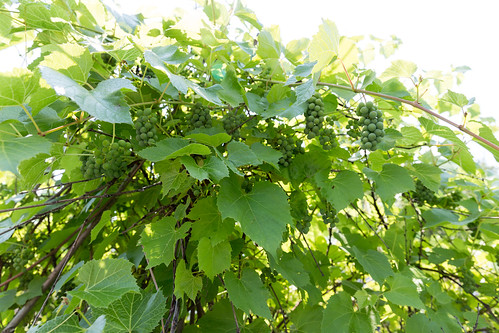
Grapes

I will admit that as a non-gardener, much of the technical information about grafting and root stocks sailed above my head, but it was still a neat experience to see different types of fruit that can thrive in Edmonton.

Green & Gold Community Garden Orchard Tour

Evans cherries

The Green & Gold Garden will be hosting three more tours in August, on August 15 (7-8pm), and August 19 & 26 (1-2pm). If you intend to go – plan to arrive early and pick up some produce before the tour begins.

Update on Edmonton Chinatown Walking Tours

We’re halfway through our series of free Chinatown walking tours that we introduced back in June, and it’s safe to say that the interest from Edmontonians is alive and well!

Edmonton Chinatown Tour

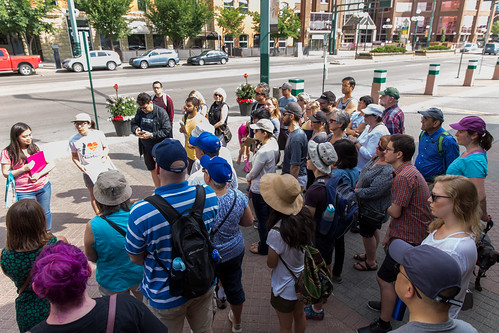
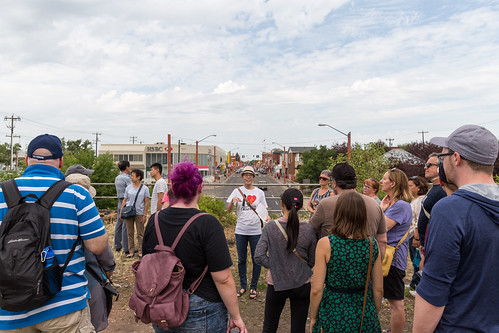
The four tours were fully subscribed in a matter of weeks, and the two groups we’ve led so far have numbered up to 40 people. Nearly all have been attended by locals, most who were not aware that Edmonton had two Chinatowns and many who were looking for a reason to stay and explore the neighbourhood further.

Edmonton Chinatown Tour

Although the historic and cultural component provides a key foundation to the tour, it’s been interesting that many of the questions we receive relate to commercial Chinatown. People have appreciated the stops we make to introduce the proprietors of several businesses along the way, and many have asked for restaurant recommendations to extend their time in Chinatown. We understand that for many, food is the gateway into the area, and like some other communities have done, use that to our advantage to encourage more foot traffic.

Edmonton Chinatown Tour

We decided to add one more tour date in August to accommodate the demand -  consider joining us on August 27, 2017 if you’ve been curious to learn more about Edmonton’s Chinatown! We’ll be reviewing the pilot after September to determine how we might continue the tours in the future.

Edmonton Chinatown Tour

If you aren’t able to make the tour but want an excuse to explore the neighbourhood, consider attending the Moonlight Carnival on September 16, 2017 from noon to 9:30pm at the Ukrainian National Federation Hall (10629 98 Street). Organized by the Chinatown Business Revitalization Zone, you can expect vendors and performances.

Alternatively, mark your calendar for the Mid-Autumn Festival on September 23, 2017, from 1-9pm, back for its forth year in a new location at the Alberta Legislature grounds. Though not in Chinatown, the cultural event features food, crafts, performances and cumulates with a lantern parade and a beautiful display of floating wishing boats on the water.

Hope to see you out and about in and around Chinatown this summer!

Recap: Eats on 118, Bowling Edition

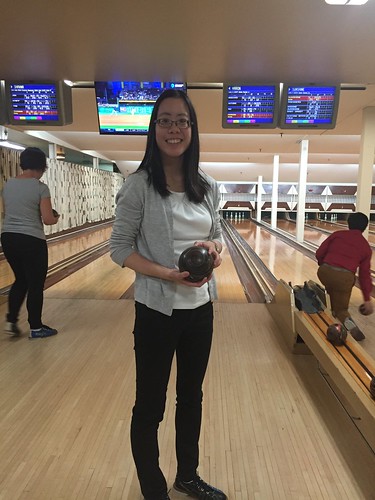
I had such a grand time at the first Eats on 118 in April of this year that I knew I had to sign up for their second event in late June. Su was the perfect dining companion as we ate (and bowled!) our way down the street together.

Organized by Wild Heart Collective, the tours are designed to showcase businesses that may otherwise be overlooked because of the overall reputation of the area. Although I had been to some of the restaurants prior, it’s always interesting to learn more about the people behind the businesses.

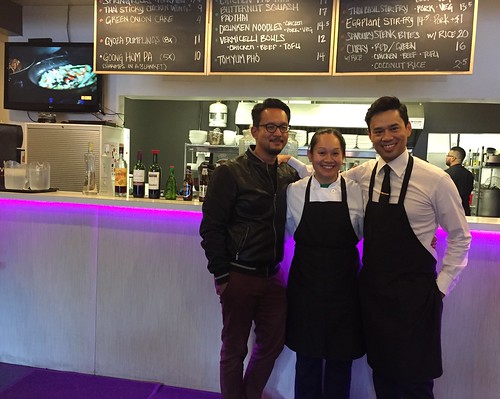
We started our evening at Lan’s Asian Grill. Named for their mother, Lan’s is operated by three siblings: Tom manages front of house, Monica ably leads the kitchen, and Vince handles all marketing and photography. They’ve been in business since 2008, and though their parents taught them to be great hosts, they didn’t want them to be restaurant owners. But with several generations of chefs and food entrepreneurs in their family, it was in their blood, and it’s clear that this family is passionate about what they do. Tom shared that they just signed another five year lease, and they’re happy with how the neighbourhood has continued to grow since they moved nearly a decade ago.

Eats on 118

Vince, Monica, and Tom of Lan’s Asian Grill

We sampled several small plates at Lan’s. Everything is made from scratch (so they can manage the dietary restrictions of most diners), and pride themselves in using free range chicken and organic vegetables.

The carrot and green papaya salad was my favourite course – vibrant, crunchy, and refreshing (I had to laugh when Tom said the heat level was “baby spice”, considering it was on the hot side for me).

Eats on 118

Green papaya and carrot salad

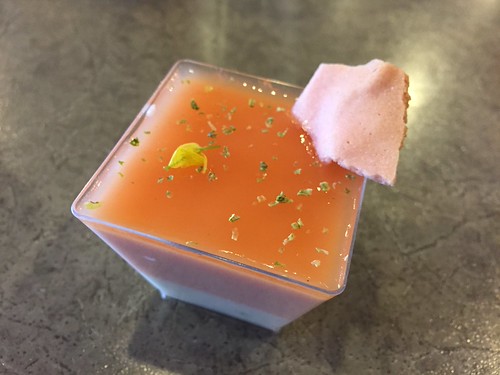
We also tried their chicken satay skewers and a lovely dessert of passion fruit and guava panna cotta.

Eats on 118

Passion fruit and guava panna cotta

Our second stop was just around the corner – The Duck (which some may remember as The Blind Duck) is now led by Alex.

Eats on 118

Kirsta Franke of the Wild Heart Collective introduces us to The Duck

He served us a buffet-style Mediterranean spread, including baba ganoush, hummus, and fatayar (meat and spinach pies). Though most items we tried don’t appear on their regular menu, they are often featured as daily specials, and are available through their catering service. Of the samples we tried, the fava bean dip was at the top of my list, creamy and well seasoned.

Eats on 118

Bites from The Duck

I was most excited for our third and final stop. Plaza Bowling Co. has been in the Stride family for three generations since it opened in 1959. The facility has been meticulously maintained for the nearly 60 years they’ve operated, as it changed hands from grandfather, to father, and now to son.

Although Trevor Stride never thought he’d continue the family business, when his dad told him he’d be putting it up for sale, it just didn’t feel right. So on January 1, 2017 he returned to Edmonton from Vancouver in the hopes of creating a place for people to socialize. He brought in TVs and craft beer, focusing on brews from Alberta and BC on six rotating taps. In the fall, they’ll also be serving up some food prepared by Drift.

Eats on 118

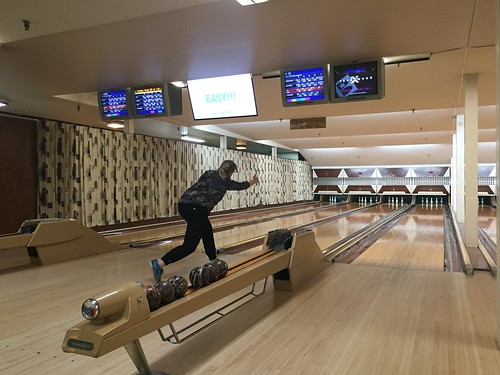
Su has great form!

They have sixteen five-in lanes, and the only remaining wooden lanes in the city. The space feels worn in, laid back, and comfortable, and we had such a great time bowling one game that we stayed for a second.

Eats on 118

Five pin bowling!

Because Plaza Bowl doesn’t have a full kitchen, they allow groups to order food in. In this case, Eats on 118 wanted to showcase another business off the Avenue – Otto.

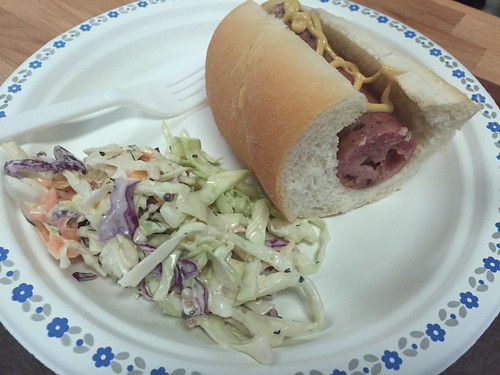
Whereas Plaza’s refrain is “craft beer and bowling”, Otto operates on “craft beer and sausages”. It’s a gem of a restaurant in Norwood, relaxed and family friendly. They served up two different kinds of Fuge sausages and coleslaw for us to try – the Otto dog (a bratwurst stuffed with Sylvan Star smoked gouda) was new to me, and will definitely be on order on my next visit to Otto.

Eats on 118

Otto dog and coleslaw

Kudos to Wild Heart Collective for putting together such a fun evening! If you missed it, you have one last chance this year to (re)discover Alberta Avenue – the last Eats on 118 takes place on August 30, and tickets are just $42.

Recap: Tour of Sunworks Farm

Over the years, Mack and I have been fortunate to visit many of the farms from which we source our food, including Riverbend Gardens, Bles Wold, and Irvings Farm Fresh. In June, we were able to add another to that list – Sunworks Farm.

Although our primary chicken and egg supplier is Sunshine Organic, because they’ve become a part-time vendor in the winter incarnation of the City Market, we often find ourselves at the Old Strathcona Farmers’ Market between October and May. Sunworks Farm has been a staple at that market since for more than 15 years; owners Ron and Sheila Hamilton are a fixture for regulars – Ron tempting passing shoppers with sausage samples and Sheila tending to customers behind the busy counter. Since 2012, their meat and egg products have also been available seven days a week at Blush Lane down the street (in addition to 3 other Edmonton markets and 1 Calgary market). So just how have they managed to grow their business? A few weeks ago, we were invited to learn more about Sunworks from Ron, Sheila, and Issac Fregoso and tour the farm along with a group of other food bloggers.

Sunworks Farm Tour

Sheila, Issac and Ron

Located about an hour southwest of Edmonton, Sunworks occupies about 400 acres, raising chickens, turkeys, pigs, and beef year-round. When they started back in 1992, Ron shared that he and Sheila raised animals primarily to feed their own family; they had learned about unconventional farming practices and the possibilities of holistic management. This snowballed as friends also wanted their products, and eventually, this led to vending at a farmers’ market in 1998. And while they have grown in that time – from 80 chicks to 130,000 chickens this year – their values have never waivered. Sunworks Farm has been certified organic since 1997, and certified humane since 2005.

I was actually most interested in seeing their chicken coops. Back in May, I had the chance to visit a conventional egg farm – just how different would Sunworks be?

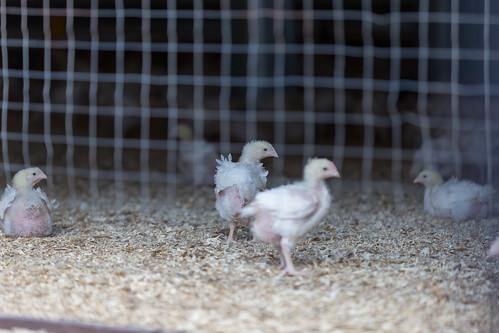
Sunworks receives their chicks about 3 hours after hatching. In the summer, they’re raised in a barn until they have enough feathers to handle colder nights outside (of course, birds are raised wholly indoors in the winter).

Sunworks Farm Tour

Indoor chicks

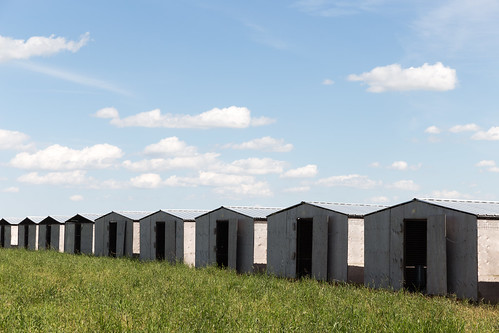
When they’re ready, laying hens and meat birds are relocated into moveable shelters, shifted daily so the chickens can access fresh grass. Nesting boxes line the walls of the shelter, and fresh water is always available. Even with 350 chickens per shelter, the space is roughly double what conventional birds have access to.

Sunworks Farm Tour

Moveable shelters

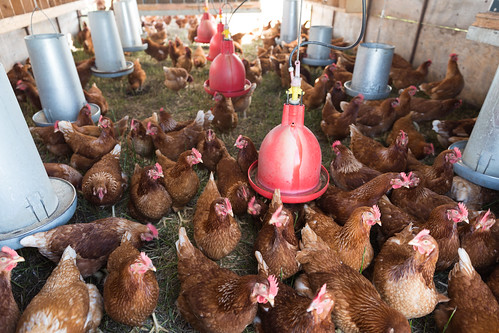
Sunworks has quota for 5,000 laying hens, and harvest about 300 dozen eggs a day. Their hens start laying after about 20 weeks, and are able to produce for one year before being processed as soup hens.

Sunworks Farm Tour

Laying hens

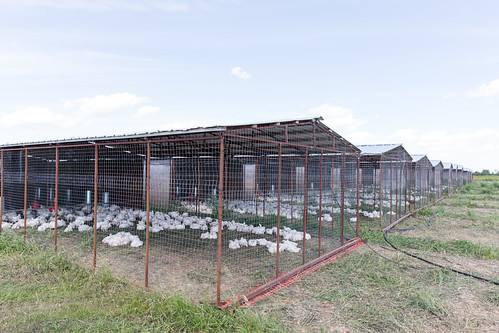
Through experience, they’ve found that the plywood walls are cooler than plastic siding, and a roof is necessary on the back end of the shelter to keep out predators like coyotes and owls. When I asked why the shelters were built so high (unlike other mobile shelters that are lower to the ground), Sheila remarked that besides helping with heat management, they’re also more human friendly – all of their eggs are hand picked.

Sunworks Farm Tour

Meat birds

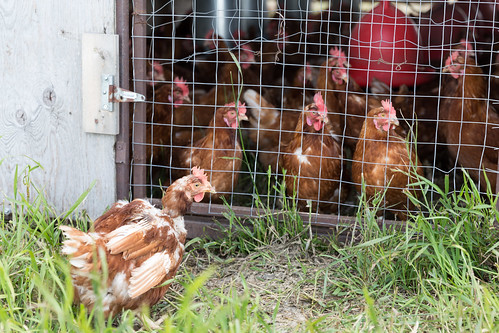
We did notice a couple of chickens who had “flown the coop”, and were just outside of the shelters. These birds had been pecked and will fully recover after a few weeks apart.

Sunworks Farm Tour

Looking in

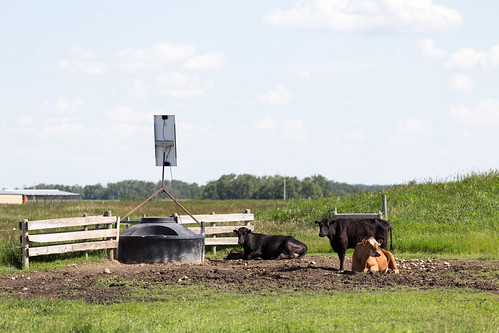
While we couldn’t visit their pigs as they are raised on a separate piece of land, we were able to see the cattle from a distance (they retreated, of course, as our group advanced). Ron said they source their cattle from four different family producers; the breed is less important to them than being able to support other farm families. At present, they have about 65 cattle. They are grass fed their whole lives, supplemented with alfalfa pellets in the winter. Ron believes this produces a leaner product – I can attest to that; we’re big fans of their beef.

Sunworks Farm Tour

Ron with his cattle in the distance

Like the chickens, the cattle are moved daily so they have access to fresh grass. The other benefit of relocating them frequently is to ensure their manure is spread around as well – Ron remarked that it can take between 50-100 years to create a layer of top soil. Though the land wasn’t in great shape when they moved here 25 years ago, he indicated that much has changed even in that time. It’s important to them that the land is returned in better condition for the next generation.

Sunworks Farm Tour

Cattle

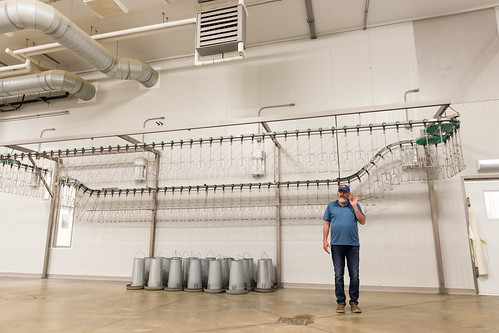
In 2015, Sunworks was able to open their own meat processing facility on site. They can process up to 3,500 birds a day at 1,000 birds an hour. Ron and Sheila are hands on every step of the way – Ron hangs each bird, while Sheila does the “dispatching” – she stuns each bird to ensure they don’t go into the scalding tank live.

Sunworks Farm Tour

Processing facility

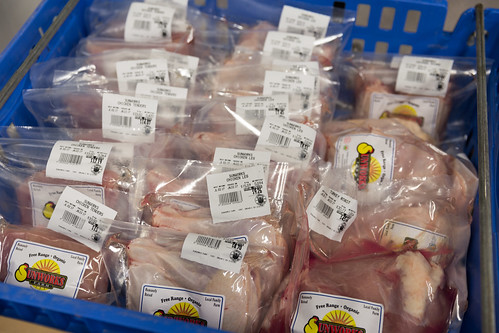
They are supported by a team of people who help with the cutting, packaging, and processing of the value-added products. They don’t use liquid smoke or heavy cures for their sausages and deli meats, and Ron shared that his current favourite product is their turkey ham.

Sunworks Farm Tour

Sunworks products

To end our visit, we were treated to a five-course dinner featuring various Sunworks meats, prepared by Chef Kevin Zellweger of the Quarter Section Food Company. They run a catering operation and is in the process of opening a bakery in Leduc.

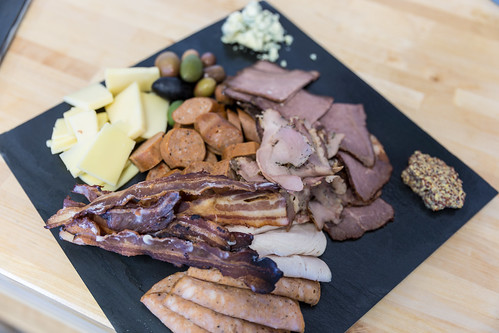
We nibbled on a delicious assortment of Sunworks charcuterie, Sylvan Star cheese and freshly baked bread before moving on to a salad spiked with some of the tastiest crumbled bacon I’ve had in some time (from Sunworks, of course).

Sunworks Farm Tour

Charcuterie and cheese

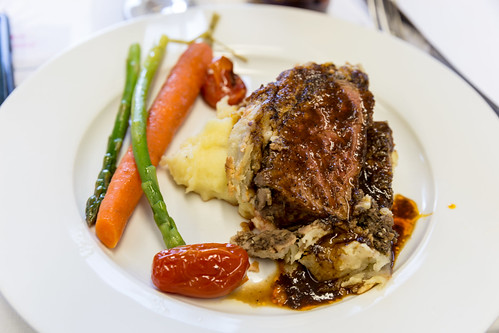
Chef Zellweger also prepared chicken leg confit atop asparagus and mushroom risotto, but the resounding favourite was the beef wellington – medium rare and gluten-free to boot.

Sunworks Farm Tour

Beef wellington

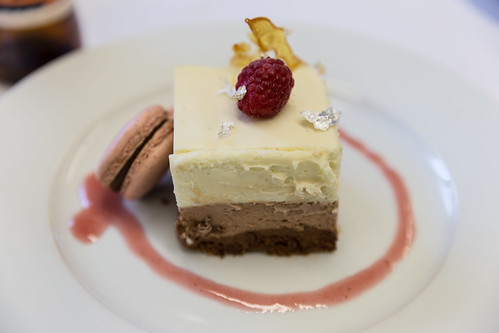
We had also spied the triple chocolate mousse when in the cooler earlier on in the tour, but it was even more appealing plated, served with flecks of edible silver.

Sunworks Farm Tour

Triple chocolate mousse

If Ron and Sheila’s generosity wasn’t enough already, it extended into a parting gift containing several packs of sausage to take home (including Mack’s favourite – chicken garlic and rosemary sausages).

Thanks again to Ron, Sheila, and Issac for hosting us, and to Jacquie for organizing this opportunity! Sunworks will likely open their doors for a family-friendly public tour in September, so keep your eyes on their Facebook page for details.

Introducing: Edmonton Chinatown Walking Tours

Back in 2013 and 2014, I was part of a small team of volunteers who wanted to bring some vibrancy to the streets of Edmonton’s Chinatown. Our solution was to program a night market that involved food, vendors, and a variety of performances to help bring more foot traffic to the area and celebrate some of the distinct cultural aspects that Chinatown has to offer.

97 Street Night Market
2014 Night Market

Both markets were successful, and some who attended appreciated the encouragement that brought them to a neighborhood they did not normally have cause to explore. While we weren’t able to continue the night market, we have been thinking about ways to continue highlighting Chinatown that are more sustainable.

97 Street Night Market
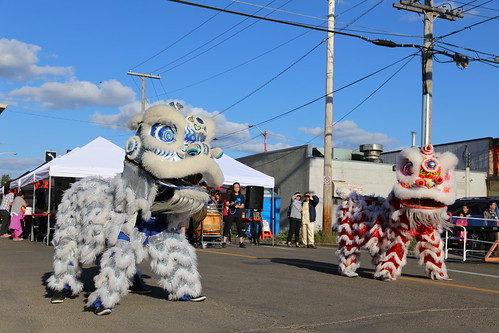
Lion dance at the 2014 Night Market

One of the more popular aspects of the night market we had included in both years were walking tours. Led by volunteer community members with expertise in different areas such as history, public art, and food, the tours provided participants with the opportunity to see Chinatown with a different lens, or gave them a reason to return again on their own.

97 Street Night Market
Tour at the 2013 Night Market

In May, Kathryn Lennon and Claudia Wong-Rusnack organized a Chinatown-themed tour as a part of Jane’s Walk this year. More than thirty people turned up, so the interest in learning more about this area of the city is definitely alive and well.

Edmonton Chinatown Walking Tour

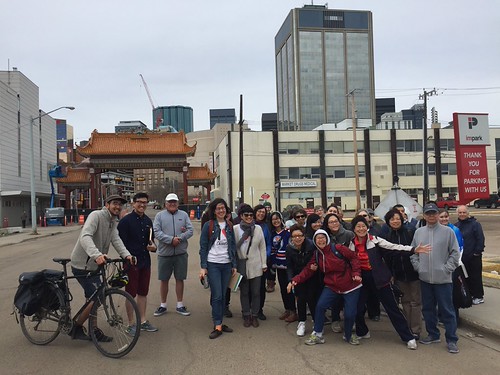
Jane’s Walk tour

In this spirit, we will be offering a series of free Chinatown walking tours this summer, in the hopes of being able to introduce even more people to an area of the city that is sometimes overlooked and underutilized.

Dates: June 11, July 9, August 13, September 10, 2017 (second Sunday of the month)

Time: 10:30am – 12:30pm

Location: meet at Edmonton Tourism, 9990 Jasper Avenue (rain or shine!)

RSVP on Facebook: June 11, July 9, August 13, September 10

If you’ve ever wondered why Edmonton has two Chinatowns, learning more about some of the development pressures faced by the neighbourhood, or have been curious about which businesses you should visit, please consider coming for a tour! We’re open to feedback as well, and will be adding information to the tours as they happen.

Hope to see you there!

Road Trip: Exploring East of Edmonton

A few weeks ago, we picked up the twentieth edition of the Go East of Edmonton guide from one of those free magazine boxes. It was the push we needed to finally explore some of the communities just east of the city, with a visual map that aided us to plan a day trip away.

Fort Saskatchewan

We started our morning at The Downtown Diner. It was our second time, and we were reminded again of their incredible hospitality. The service was warm and consistent – they kept pace with the way in which I drink my morning coffee; not an easy feat.

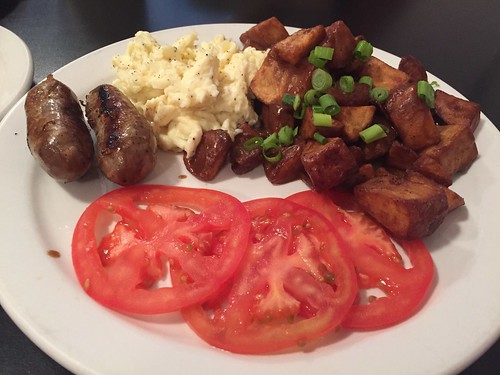
At this point, I should remark that the Diner is more highly regarded for their lunch and dinner plates, though they do have a few all-day breakfast specials. I always prefer to have eggs for brunch, so chose the basic eggs, meat and toast platter. Everything was fine, but the breakfast plates never pop as much as the other dishes.

Untitled

Breakfast platter

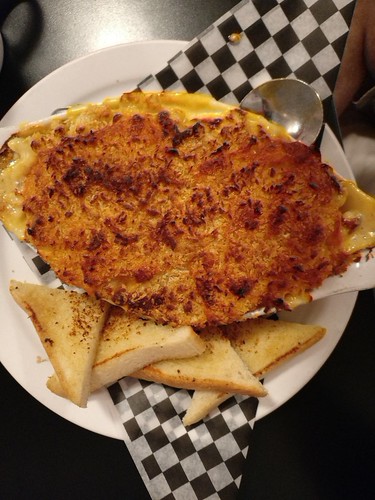
Mack’s mac and cheese, for instance, was a rich and creamy delight, topped with a crunchy bread crumb crust. He also appreciated the accompanying garlic toast.

Untitled

Mac and cheese

Bruderheim

After brunch, we were off to neighbouring Bruderheim, a small town of 1,300 known for being the site of Canada’s largest recovered meteorite (back in 1960). More recently, they are among a handful of Alberta towns that have instituted a curfew for teenagers.

One of the downsides to exploring small town Alberta on a statutory holiday was most of the family-run businesses we encountered were closed. One of the exceptions in Bruderheim was Theil’s Greenhouses, a small but charming greenhouse with a good selection of flowers, planters, and vegetables.

Untitled

Theil’s Greenhouses

I was particularly impressed with their array of tomato varieties (we picked up one of our perennial favourites – sweet baby girl) and a planter for Grandma Male.

Mundare

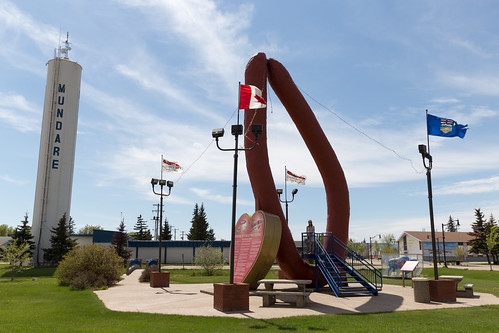
It’s always been on my bucket list to plan a road trip based around the unusually large monuments all over Alberta. We were able to hit up two on this trip, so it’s a start!

Mundare’s giant sausage ring (commemorating and erected by Stawnichy’s, the well-known Ukrainian meat shop) is set up just beyond the welcome gates on the town’s main street. It was built for photo ops, with a staircase in the centre to ensure tourists can be captured within the ring.

Mundare Sausage

The sausage

Just steps away from the monument is Stawnichy’s itself, one of the only shops on the street open that day. They were still doing brisk sales – their products are available at Mundare Sausage House in Edmonton, but it was nice to get it from the source; we bought some Ukrainian sausage and jerky to take home.

Vegreville

Vegreville was next on our list of towns and massive monuments. The pysanka is one of the most frequently cited large-scale sculptures, and though I had seen it in photos many times, it took visiting it in person to realize it rotates.

Untitled

The pysanka!

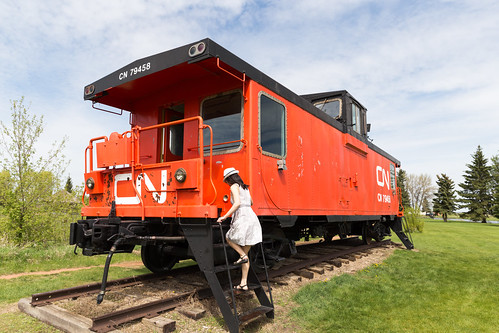
Although the pysanka isn’t accompanied by a staircase, it’s actually situated in more picturesque surroundings. Nestled in a park, we stretched our legs in the green space that featured a decommissioned caboose, playground, skate park, gazebo, and picnic areas. The playground even featured the exercise equipment that Mack and I so enjoy.

Vegreville Kinsmen Park

Onto the train!

Last year’s Vegreville Country Fair is actually featured on the cover of the Go East of Edmonton Guide – it definitely caught my eye, and is something I hope to get to later this summer (it runs August 10-12, 2017).

Elk Island Park

Last June, we took a turn through Elk Island Park and were besieged by mosquitos, so we thought a visit earlier in the year might result in better conditions. While this was true, I don’t think we anticipated as many people as we encountered. Although there were a steady stream of cars leaving as we drove in, the parking lot was oversubscribed.

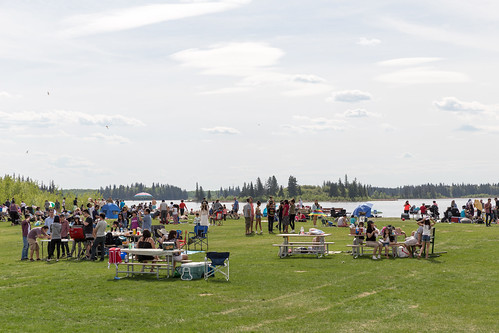
It was great to see so many families taking advantage of the gorgeous weather over the long weekend. There were line-ups for boat rentals, blankets pitched every which way, and many groups set up for picnics.

Elk Island National Park

Busy day at the park

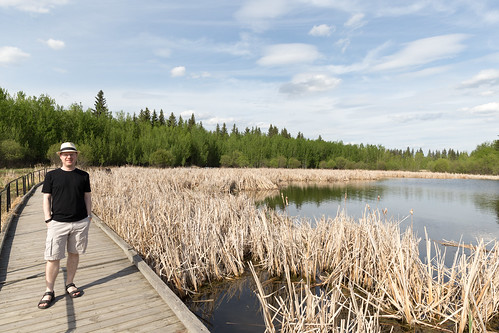
We weren’t dressed for an intense hike, so we took some of the more leisurely trails just off Astotin Lake. And though I was an initial sceptic about the Parks Canada #sharethechair campaign, I have to say I’m now a happy convert.

Untitled

Sharing the chair, again

Sadly for Mack, we didn’t happen upon any wildlife on our walk that day, but I’m sure we will be back to Elk Island before the summer’s end. They are hosting quite a number of special events over the next few months, including Parks Day on July 15, the annual Bison Festival on August 19, and Dark Sky Preserve Party on September 2-3, 2017.

Elk Island National Park

Sunny skies

It was a fun way to spend a day exploring the communities just outside of Edmonton. I’d recommend the Go East of Edmonton guide if you’re looking to plan your own daytrip!

Taste Alberta Visit: Morinville Colony Egg Farm

When Mack and I started going to the farmers’ market regularly ten years ago, we became particularly conscious about where were sourcing our meat proteins. For us, the relationship we have with the vendors we buy from is as important as the conditions in which the animals are raised; as a result, we’ve even visited some of the farms we purchase from first hand.

That said, it’s not lost on me that much of the agriculture in this province is based on conventional farming methods. And while we have chosen to invest our food dollars based on what we value, I’m open to learning more about other farming practices. Two weeks ago, I had the privilege of attending a tour of a local conventional egg producer organized by Taste Alberta.

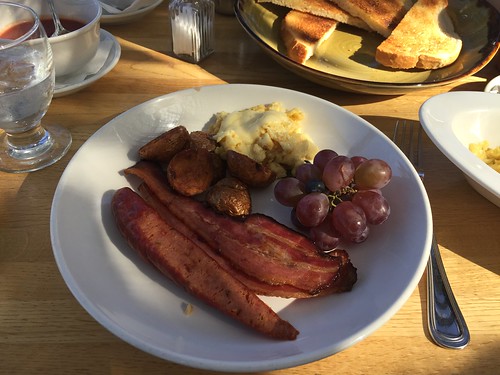
We started off with breakfast at the Glasshouse Bistro at St. Albert’s Enjoy Centre. It was a bright and sunny day, with the clear enclosure around the restaurant amplifying the beautiful conditions outside. The family-style meal featured eggs with a house-made hollandaise, bacon, sausage, and addictive spiced potatoes.

Taste Alberta Morinville Colony Tour

Breakfast at Glasshouse Bistro

Our group of half a dozen then rode a bus about 30 minutes north west of St. Albert to the Morinville Hutterite Colony. The colony is made up of 120 people and occupies 6,000 acres. They are a mixed farm, with grain, livestock, and dairy rounding out operations.

The Colony’s egg farming division is extensive, holding a hen quota of 20,160. In 2013, they were named the Alberta Egg Producer of the Year by the Egg Farmers of Alberta (who represent more than 160 registered egg farmers in the province). On average, the colony produces 1400 dozen eggs per day, and sells them to eighty restaurants in the area including the Hotel Macdonald and Cora’s, and commercially in Edmonton at the Italian Centre and through Four Whistle Farms. I was surprised to learn that Hutterites produce between 80-85% of all eggs in Alberta.

Taste Alberta Morinville Colony Tour

At the Morinville Colony

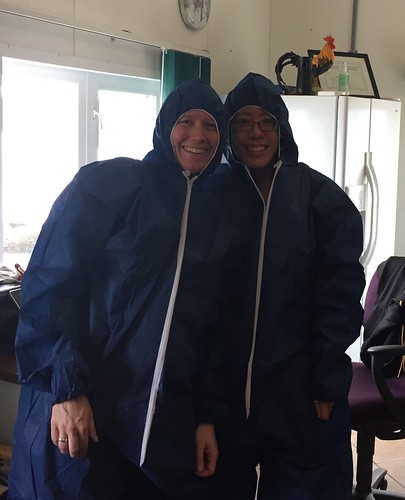
Paul Wurz, Morinville Colony’s Egg Manager, led the tour of the barn and the sorting facility. Though I have visited many farms in the past (albeit small operations by comparison), it was the first time I’ve been required to suit up for biosecurity reasons. With 10,000 hens housed in the single barn though, it’s easy to understand how an errant virus could quickly contaminate the entire flock, which would result in serious financial consequences for the farm.

Taste Alberta Morinville Colony Tour

With Sharman in our suits

While we weren’t permitted to take photos inside the barn (we were told an accidental flash might disturb the hens), the following photo from the Egg Farmers of Alberta captures a conventional hen house, and is very similar to what we encountered that day.

As mentioned, the barn we toured housed 10,000 hens. The cages were stacked three high, with seven hens in each cage. Each hen is provided with 72 square inches of space. We were told that this type of hen housing is being phased out in favour of furnished or enriched housing, which features more space, nesting boxes, perches, scratch pads and dust baths. The Egg Farmers of Alberta states that by 2020, 32% of hen housing in the province will be furnished or free-run/free range.

One of the advantages to this system is undoubtedly the built-in automation. The hens are allocated feed (105g per bird, per day, a mix of grain and soy for protein), and eggs laid roll down onto a belt that cycles them into the sorting facility next door. Manure is collected on a different belt underneath the metal grate of the cages, and carried outside for composting every four days. This was one of the factors Paul was most proud of – his eggs never touch manure; “In my books, the healthiest eggs are from barns like this,” he said.

Eggs cycled from the barn

In this barn, all of the birds were 24 weeks old. The colony raises all its own pullets (chicks), and they are placed in the barn at 19 weeks when they start to lay eggs (90% lay an egg a day). They lay for one year, after which they are butchered, then replaced by a new flock.

Before I set foot in the barn, I wasn’t sure what to expect. I had heard stories of cramped living quarters, dirty conditions, and mottled birds, so what I saw was better than what I had anticipated. The birds were full-feathered, and apart from their obvious curiosity related to the visitors, they were relatively calm and quiet. In my opinion, the cages may be defined as humane, but it was hard to see so many birds in what appeared to be such a small space. In some ways, it was best summed up by a label that can be found at Save-On Foods, where they classify the different types of eggs available: “behaviours restricted”.

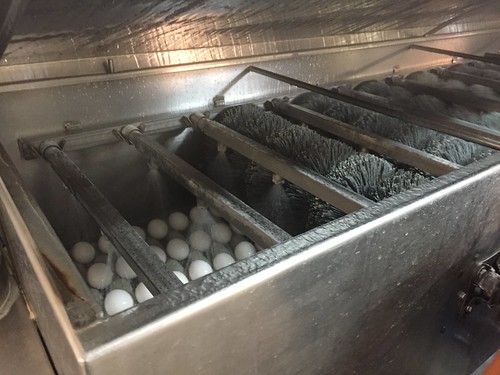
In the facility next door, the eggs travel on a conveyor belt to be cleaned, inspected, then sorted. The eggs are rinsed, removing any bacteria that may have been on the shell, as well as the protective barrier provided by the hen, necessitating their immediate refrigeration.

Taste Alberta Morinville Colony Tour

Rinsing the eggs

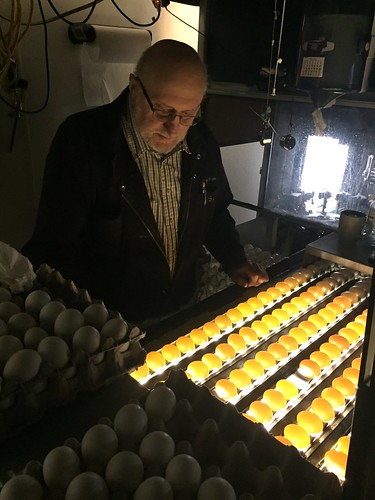
Next, the eggs are inspected for any blood spots, unusually large air pockets, or cracks using a light placed underneath the conveyor belt, one of the jobs still done by a person. Only 1% of eggs don’t pass this inspection for sale.

Taste Alberta Morinville Colony Tour

Inspecting the eggs

Lastly, the eggs are automatically sorted by weight from small through to jumbo sizes. The eggs are packed and boxed by another person. All told, the facility can be run by just three people due to the automation involved.

Sorting the eggs

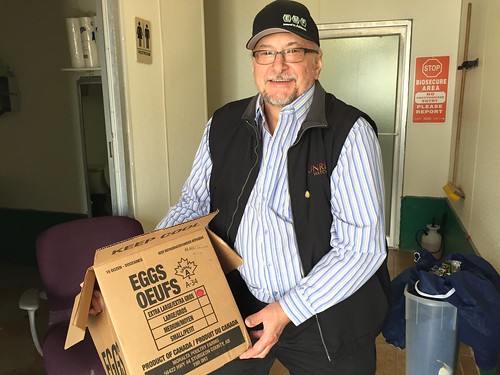
Paul provided us each with a carton of eggs to take home, and was obviously proud of their quality. Among the feedback he receives from the restaurants he supplies – “My eggs don’t run – you don’t have to chase them,” he says, referring to the firmness of the egg white. Interestingly, he ensures the feed mixture doesn’t colour the yolks beyond pale yellow (the inclusion of alfalfa or corn can darken the colour), even though many consumers now consider darker yolks to have more nutrients. Paul shared that when the yolks have been darker in colour, he has received complaints from some of his customers.

Taste Alberta Morinville Colony Tour

Paul Wurz

I appreciated how open Paul was to having visitors at the Colony. His transparency and willingness to answer our questions was a welcome change from what I thought we might encounter. Thanks to the Morinville Colony and Egg Farmers of Alberta for hosting us that morning, and to Taste Alberta for organizing a very informative tour.

Showcasing Alberta Avenue: Eats on 118

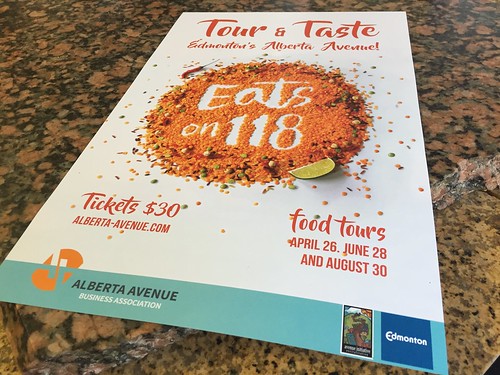
It was kismet for the 2017 season of Eats on 118 food tours to start at the end of April. My office just relocated to 118 Avenue this week, so I thought the tour would be a great way to acquaint (or reacquaint) myself with some of the eateries I’ll be frequenting more.

Wild Heart Collective (the same folks behind the 124 Grand Market, among other placemaking events) was brought in by the Alberta Avenue Business Association to run a pilot of food tours in September 2016. The four tours in four weeks were so successful that they decided to continue in 2017. It appears to be a good decision so far; the first tour of the season was so popular Wild Heart had to open up a second seating to accommodate those interested.

Eats on 118

Eats on 118

As with most food tours, the hope for participating restaurants is that patrons will return on their own after the guided introduction. Happily, Business Association Executive Director Joachim Holtz shared that many of the restaurants that participated last fall did notice an uptick in traffic following the tours.

On this tour, the $40 ticket would include tastes at three restaurants that we would reach by foot. As I mentioned in a recent post however, the value for organized tours is not found in the food alone, but in the information or access provided by the guide. In some ways, the buy-in from the Business Association (and the connections they can bring) has resulted in a solid foundation for Eats on 118; all three restaurants were enthusiastic and well prepared for their showcase.

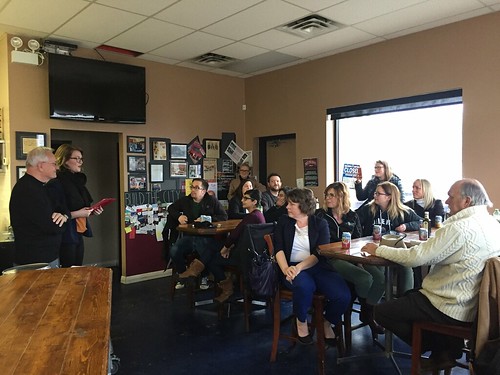
Mack and I joined about two dozen others for the first seating on Wednesday evening. Kirsta Franke was our tour guide.

Eats on 118

A welcome from Kirsta and Joachim

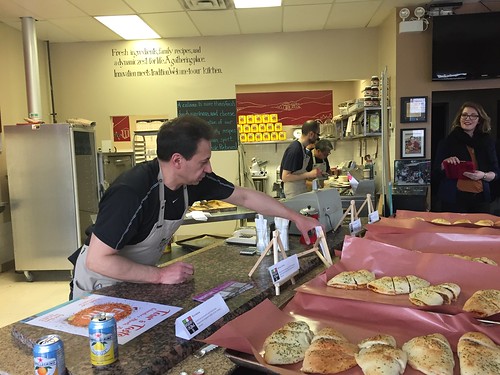
We began at Battista’s Calzones, an Alberta Avenue gem. Battista Vecchio has been in business for six years, and his handmade calzones have been featured on Food Network’s You Gotta Eat Here. But you have to visit in person to understand why Battista’s Calzones is worth seeking out. Hot out of the oven, the dough is soft and yielding, encasing savoury combinations ranging from all-beef meatloaf (my favourite) to prosciutto, artichokes and truffle oil (Battista’s favourite).

Eats on 118

Battista’s Calzones

That night, everyone had the chance to sample two calzone flavours. Though I could have easily finished a whole calzone, it was probably wise of the organizers to limit this appetizer to only part of a calzone so we’d be able to pace ourselves for the other establishments.

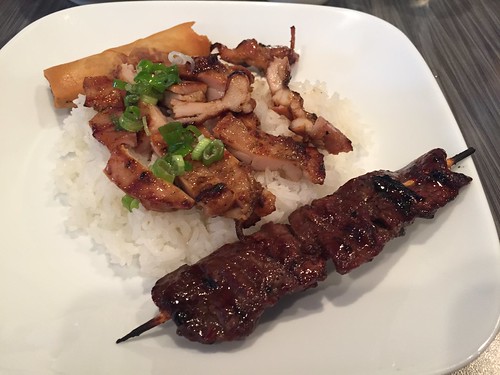
Our second stop was on the next block at T & D Noodle House. A family-run restaurant open for more than two years, T & D is named after its proprietors Thien and Diep. Their daughter Laura (who also happens to serve on the Business Association Board of Directors) offered us a warm welcome. She served up one of their most popular dishes – chicken, beef, and spring roll combination plate.

Eats on 118

Chicken, beef, and spring roll combination plate at T & D Noodle House

Everything was well-prepared, but I was really hoping for a sample of their pho. One of the things I’m still mourning with our office move is not being within walking distance of Chinatown’s Pho Tau Bay any longer (my go-to for quick lunches), so I’ll be back to T & D to see if they’ll work out as an adequate stand-in.

Our final visit was another neighbourhood favourite – El Rancho. Open for thirteen years, El Rancho has been a part of the Avenue’s revitalization efforts. Last year, restaurant owner Dora Arevalo founded a street festival that celebrated Latin food, dancing and music; expect the event to return again this July.

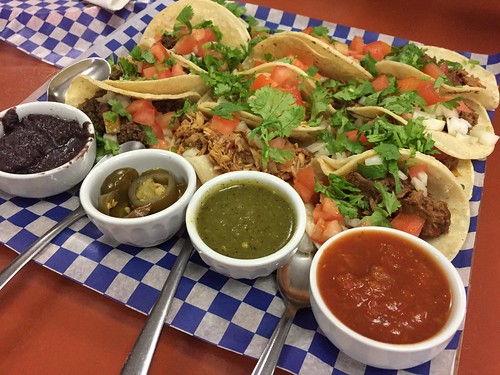
Although Dora was away in El Salvador last night, her hospitable staff ensured we were well-fed and happy. Each table was provided with a platter of chorizo, beef, and chicken tacos to share. Although we’ve been to El Rancho many times, we typically stick with their pupusas and flautas, so it was great to be reminded of their other menu options. The chicken tacos were by far our favourite.

Eats on 118

Tacos at El Rancho

Mack and I agreed we were served just enough food to be comfortably full – any more and we would have had to bag leftovers!

It sounds like the Business Association recognizes the assets they have in the neighbourhood, and have found a good way to highlight them. I hope these initiatives do encourage ongoing return visits to an area that is often overlooked.

Thanks to Wild Heart and the Alberta Avenue Business Association for organizing a fun evening! If you missed it, there are two additional tours to come on June 28 and August 30, 2017 – tickets are now available, and are likely to sell out fast.

Recap: 2016 Alberta Open Farm Days with Northlands

Last year, Mack and I were invited to enjoy a long table dinner in the evening at Northlands Urban Farm during Alberta Open Farm Days. This year, we decided to spend most of the day with them.

For just $5 per person, Northlands had organized bus tours that would visit Edmonton-area farms. Mack and I signed up for the morning tour, which featured Gold Forest Grains and Horse Hill Berry Farm.

We boarded the coach across the street from Northlands Urban Farm, joining about two dozen other people already on the bus. Quite a few of them had been on the tours led by Northlands the year prior. Although both farms we visited were open to the public that day, it was a much more efficient means of transportation to go with a group – if they decide to organize a third year of tours I can only hope even more people take advantage of this deal.

Gold Forest Grains

Gold Forest Grains

Gold Forest Grains has been a fixture at the Old Strathcona Farmers’ Market for many years. John Schneider and his family grow heritage and ancient varieties of certified organic grain on 300 acres near Morinville. Unlike other grain farmers, who typically have to farm between 2000-3500 acres, they can make it work on a smaller scale by selling directly to consumers.

Gold Forest Grains

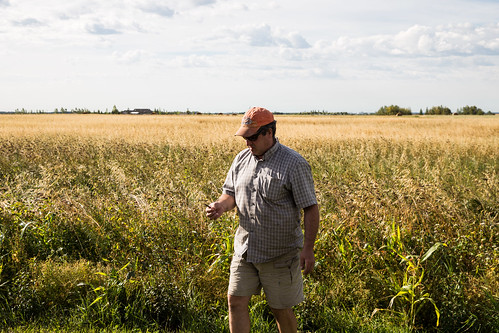
John Schneider

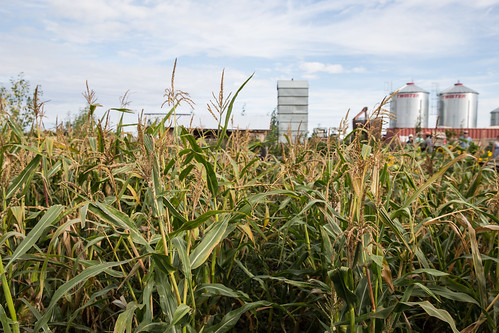
Gold Forest Grains mills their own flour (they had a small hand mill on display, but most is done in large quantities now), but they offer value-added products as well. For many, their introduction to Gold Forest Grains is through their excellent pancake mix or Sturgeon River Cereal. John also mentioned that they continue to experiment with other varieties, including corn he obtained from local farmer Deb Krause that matures on the stalk, which may mean an unprecedented source for non-gmo, local cornmeal in the future.

Gold Forest Grains

Corn

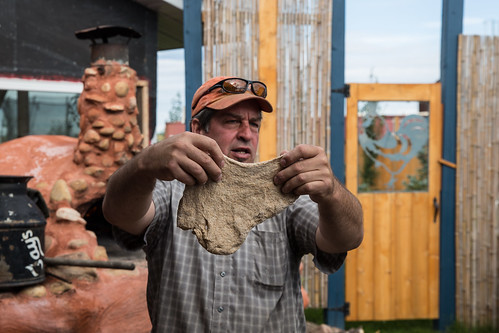
While we didn’t venture too far onto the farm, John toured us around the perimeter of their straw-bale home, featuring a small fruit garden (including heritage apples and haskaps), poultry coop, and a cob oven.

Park wheat is one of the grain varieties they grow, and John shared that he has some gluten intolerant customers that can eat this type of wheat. This is the type of flour used to make the whole wheat crust at Love Pizza. As a treat, he had put together some park wheat-based dough, which he used to fire up some focaccia in the 800 degree cob oven.

Gold Forest Grains

Park wheat focaccia

I would have appreciated it if John had also spoken about some of the other products they grow, including lentils and farro, but I recognize that we didn’t have much time.

Next up, we headed to Horse Hill Berry Farm in northeast Edmonton. Operated by Dave & Jackie Wilson, the 10 acre u-pick farm opened in 2010.

Horse Hill Berry Farm

Horse Hill Berry Farm

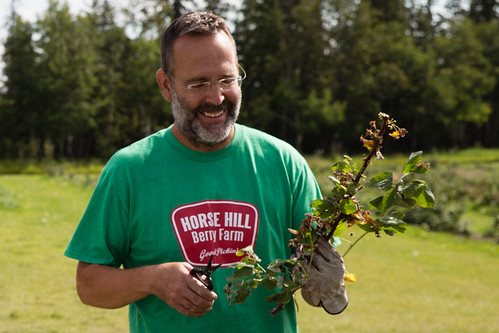
They currently offer six different types of raspberries, but have been thinking about adding other fruit. Although they are not certified organic, they do not spray their crops. They will be putting in drip irrigation (the plants require about 1 inch of water a week) and will continue to prune using machinery, though labour-intensive hand pruning is more effective. The ideal air and sunlight penetration Dave described is similar to what grape vines need to thrive.

Horse Hill Berry Farm

Dave demonstrates pruning

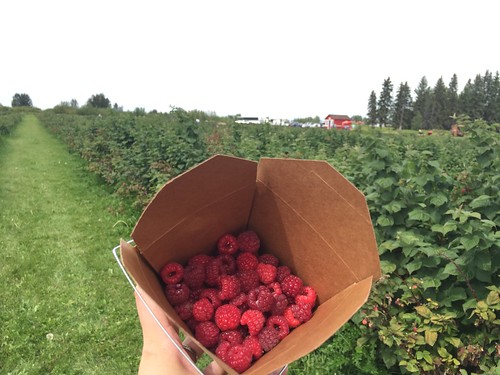
It was actually the last day of operations for the farm this year, what they termed the “bonus” week as the growing season typically only lasts five weeks. As their gift to us, we were all given a carton to fill with raspberries.

Untitled

My bounty

Until Dave mentioned it, I didn’t realize that they had deliberately planted grass between the rows to make the raspberry patch more patron friendly (so parents and kids alike wouldn’t have to worry about trekking through the dirt or mud). This, combined with their raspberry guide of the types of berries better suited for canning, freezing or wine-making, points to the thoughtful design of many aspects of their farm.

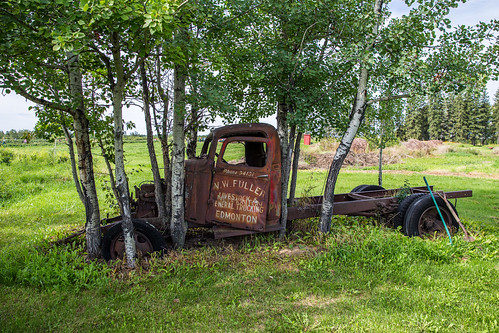
Mack and I also wandered to the look-out on the property (where you can see the North Saskatchewan River), featuring an old family heirloom. The rusted truck is also apparently a haven for snakes, which I found out first hand (it was one small garter snake, but I wasn’t expecting it).

Horse Hill Berry Farm

Family heirloom

The bus ended where we started, and by that time in the afternoon, the Northlands Urban Farm activities were up in full swing.

Northlands’ beekeeper Patty Milligan was leading a honey demonstration, and crafts and a petting zoo provided entertainment for the young ones.

Open Farm Days at Northlands

Family activities

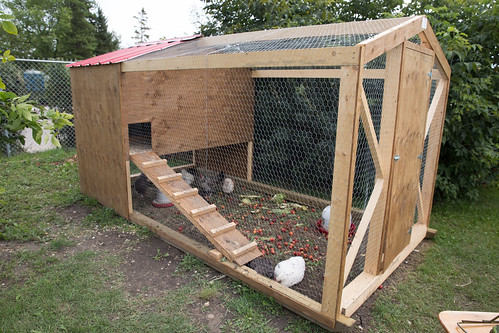
We also swung by the newly-installed chicken coop, where the heritage chicken breeds were happily picking at apples and greens.

Open Farm Days at Northlands

Northlands’ chicken coop

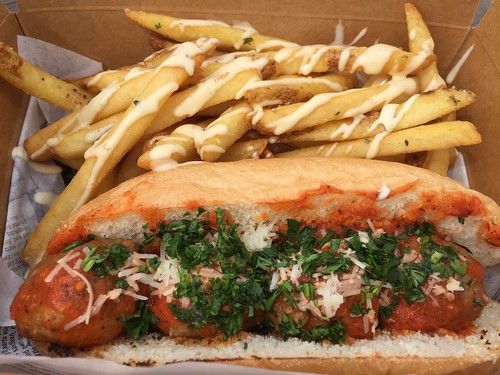
Before we left, we had a bite to eat from the Northlands 1879 food truck, and regretted choosing to share the garlic fries instead of ordering our own.

Untitled

Meatball sub and garlic fries

Thanks to Northlands for organizing an economical and seamless way to visit a few of the region’s farms – check out the Alberta Open Farm Days website for more ideas next August on how you can meet some of our rural neighbours.

Recap: 2016 Grand Taste Tour with Northlands Urban Farm, Brix ‘N Berries, Triple M Dairy and Tangle Ridge Ranch

At the end of July, Mack and I were honoured to be asked to be among the hosts of the third annual Grand Taste Tour. It was the second year of the event where attendees were bussed to the various farm locations, as opposed to a self-guided tour. This allows participants to meet and break bread with other folks interested in learning about local agriculture, all while taking advantage of more efficient group-based transportation.

Linda and Brittney headed up one bus, while Mack and I led another. The first stop was within city limits – a one acre lot cultivated in partnership with Northlands. The farm is a part of the Northlands Urban Farm, intended for educational purposes and to support innovative practices. 600 students from local schools have already toured the farm this year, and 26 children will be selected to take part in their junior beekeeping pilot this fall. Northlands also successfully applied for an urban chicken permit which will allow them to add eight hens to the property.
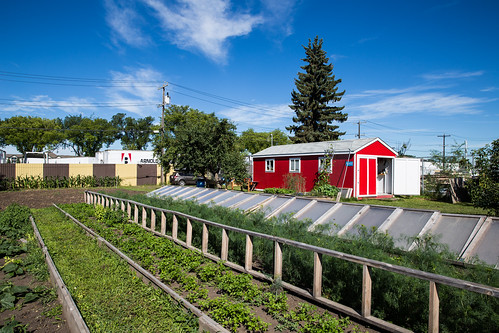
Grand Taste Tour 2016

Northlands Urban Farm

We spent some time with Travis Kennedy of Lactuca, whose crops make up most of the one acre. His enthusiasm and pragmatism make him a wonderful urban agriculture ambassador. While Lactuca began its business in a backyard garden, it now has the chance to produce 200-300 pounds per week at Northlands. New challenges have come with that opportunity in the form of supply exceeding demand, so much of his focus this year has been on developing new markets for their products. Lactuca currently supplies to 15 restaurants in Edmonton and area, including Farrow and Three Boars.
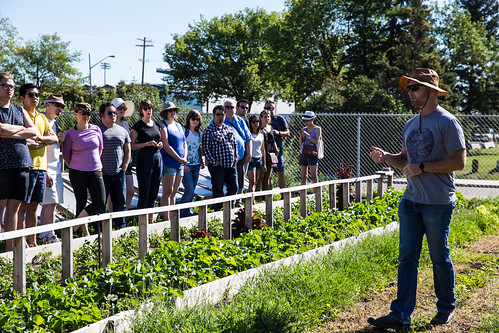
Grand Taste Tour 2016

Travis

Salad greens (primarily kale, lettuce and arugula) make up most of the crop. The reason these were chosen relates to their short 7 day production cycle to make the most of Edmonton’s 100 growing days, their lightweight nature (Travis used to transport his crop to farmers’ markets on a bicycle), and that all restaurants have a salad on their menu, increasing his market potential. That said, greens require an incredible amount of water to flourish – on hot days, Lactuca can use up to 7000L of water. Northlands was permitted to run below-ground water lines to help with this.

Although Lactuca does experiment with other crops (corn and French fillet beans, to name a few), they’ve embraced salad greens because they want to stay true to seasonality. They haven’t ruled out hydroponics in the future though, so stay tuned!

Lactuca relies on organic practices, using City of Edmonton compost, and Travis doesn’t mind the holes he finds among the leaves. He believes it speaks to their terroir and lack of pesticide use. That said, he recognizes that what may sell to consumers at a farmers’ market will not pass inspection with restaurants (pointing out the odd dichotomy between the success of “ugly produce” campaigns and the unchanged expectations of diners eating out).
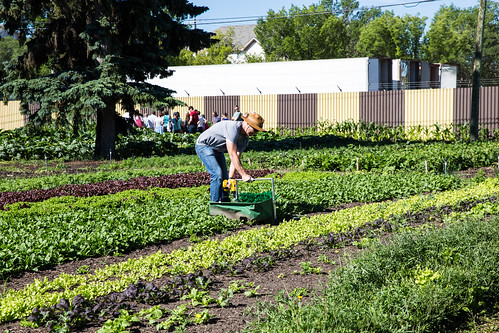
Grand Taste Tour 2016

Demonstrating the drill-powered harvester

I was particularly amazed by the method in which they now harvest their greens. When Travis started, they relied exclusively on hand-harvesting, which is laborious and time consuming. They’ve since moved to using a drill-powered aluminum harvester, which can harvest up to 150 pounds an hour.

The group then listened to Patti Milligan, who is the beekeeper for urban hives at Northlands and the Shaw Conference Centre.

The hives at Northlands are kept primarily for educational purposes. Patti explained that Alberta is the largest honey producer in the country, due to the abundance of sunlight and flowers. In our province, clover, alfalfa and canola dominate, but Patti did mention a movement towards manipulating where bees go through timing of blooms and placement of plants. She said we should watch out for locally-sourced borage, raspberry, fireweed, and dandelion honeys in the near future.

Grand Taste Tour 2016

Patti

It’s great to have such a rich resource centrally located in Edmonton, available for children and adults alike to learn about agricultural practices, especially when it is helmed by passionate connectors like Travis and Patti. Northlands is offering free public tours on September 10 – pre-registration is required.

Our second stop took us just outside of city limits to Brix ‘N Berries in Leduc County. Operated by Greg Moline and Laurie Erickson, Brix is primarily a berry u-pick garden, though they also offer limited vegetables as well.

Greg and Laurie do have off-farm income – their main work is in the area of soil amendments, assisting farmers who are looking to transition from using fertilizers to relying on other practices. They highlighted the difference between great soil and poor soil on their own land – a portion of their farm has naturally enriched number one grade soil (where they joked that seeds germinate even before they hit the ground). The Saskatoon bushes here grew without restraint, full and unwieldy. Across the field, bushes planted in the same year in sub-par soil struggled to fruit, branches spotty and inconsistent.
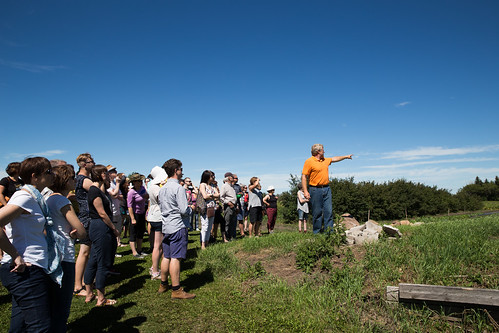
Grand Taste Tour 2016

Greg points out the number one grade soil

Brix began with 50 acres of Saskatoons, but soon added strawberries, raspberries, a greenhouse, then a market garden. Greg shared that it has been challenging for operations like theirs to stay in business without an agri-tourism component such as Prairie Gardens. Brix doesn’t charge an overhead for consumers to pick their produce because they just focus on growing food, and perhaps because of that, they can’t keep up with the demand. In the face of several other u-picks that closed this year (Roy’s Raspberries on a permanent basis and Happy Acres for 2016), Brix has had to close from Sundays to Tuesdays this season to allow the fields to regenerate. Even then, that previous Wednesday, they found that 250 people picked the field clean in a day.
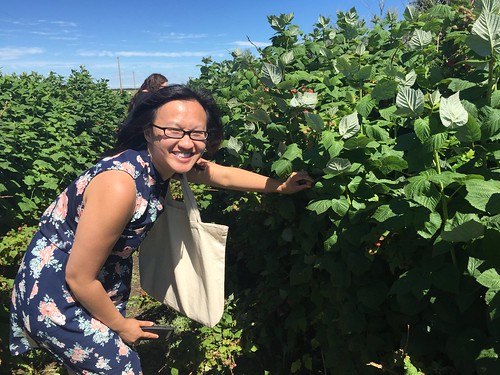
Brix 'N Berries

Linda picks some raspberries

My sisters and I, city children through and through, benefited from the u-picks we visited with our parents growing up. I’m not sure I would have been able to identify field-grown produce as a kid without those experiences, and through the relationship we had with the farmers, learned to appreciate how difficult it was to grow food for the masses. With development pressures and the work involved in maintaining a public farm, I’m sure more of these operations may fall by the wayside, but I really do hope the tide turns – these u-picks are a valuable community asset for the next generation.

Our third stop was Triple M Dairy in Calmar. Genzinus Martins runs the farm along with his sons, comprised of 180 cows. Considered a medium-sized operation, they produce 1.3 million litres of milk per year sold through Alberta Milk.

Mack and I were fortunate to have toured Bles Wold a number of years ago, and had already seen an example of a mechanized milking machine. For many on our bus however, this was their first encounter with a machine that can milk up to 60 cows per hour. The technology also monitors the health of an individual cow through a transponder in their neck, tracking their production over a period of time. Most animals supply 40L of milk per day.

Grand Taste Tour 2016

Genzinus explains how the milking machine works

Genzinus was proud of their operation, as they are constantly striving to improve the health of their cows and ensuring the animals continue to produce for 4-5 years. Their cows get a two month break from milking every 12-13 months to wander the fields. He emphasized that Alberta Milk provides incentives for better quality milk, so farmers aren’t just driven by quantity alone.
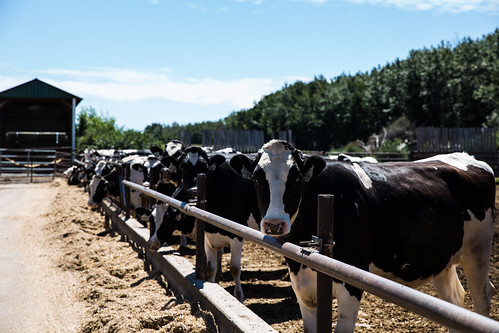
Grand Taste Tour 2016

What are you looking at?

Our last stop was Tangle Ridge Ranch located in Thorsby. Vicky and Shane Horne are first generation farmers, and when they purchased 60 acres they knew they wanted to have a strong connection with consumers. Although they had experience with cattle farming, they wanted to start out with smaller animals, and thought they could find a niche with grass-fed lamb, a product not widely known in Alberta. 50% of lamb sold in the province is imported, something Vicky and Shane hopes will change in the years to come.
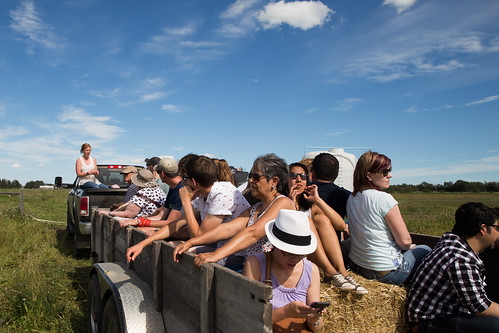
Grand Taste Tour 2016

The best kind of tour!

Vicky and Shane carefully selected the breeds of sheep they would raise. Katahdins and Dorpers are “hair” sheep that naturally lose their coats and thus don’t require regular shearing, with their energy going into meat instead. Without wool, believed to produce lanolin oil, the meat from these sheep breeds are much milder in flavour. Currently, Tangle Ridge raises 70 sheep per season, but want to eventually grow to a flock size of 250. They sell direct to consumers every fall through their website, and are now taking orders for November 2016.
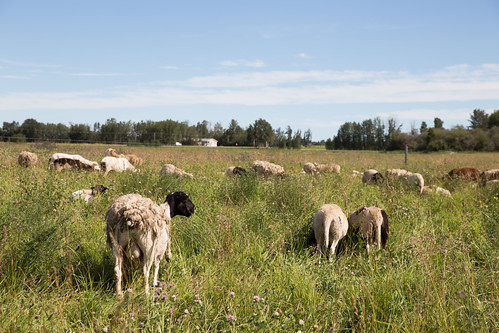
Grand Taste Tour 2016

Hair sheep

The foundation of their farm is pasture management, as they believe healthy soil is the key to healthy animals. They seeded their land with a mix of alfalfa and clover, and manage with temporary fences for rotational grazing. A portable water truck follows the flock so the animals always have access to water.

The story of Tangle Ridge Ranch wouldn’t be complete without mentioning their dogs. Virgo, Mojito and Bailey protect the sheep, circling them night and day to deter the coyotes in the area.
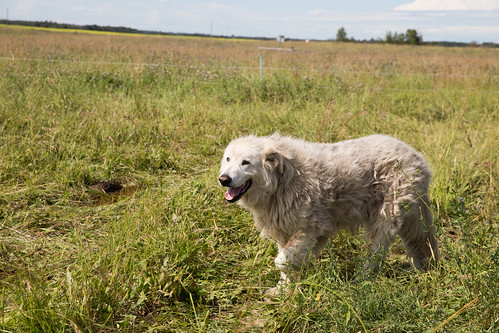
Grand Taste Tour 2016

A sheep dog in his element

After the tour, all guests were ushered onto the second floor of the barn on the ranch. It’s been transformed into an event space that’s used for long table dinners and private functions. With the overhead lights and mismatched chairs, it was a rustic setting that befit the closing of the day.
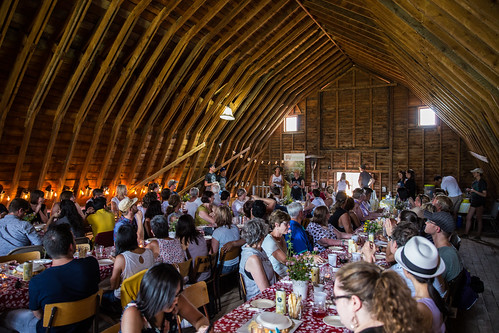
Grand Taste Tour 2016

Barn dinner

The food is where the Grand Taste Tour sets itself apart from other farm-related events. Whereas other events focus on either tours or meals alone, Grand Taste successfully marries both for an unmatched value. Last year, they brought in Chef Daniel Costa of Corso 32 fame. This year, not to be outdone, Chef Frank Olson from the Red Ox Inn and Canteen prepared a six course meal utilizing ingredients from producers we had met along the tour. This was also the first year where alcohol was available for purchase at dinner.
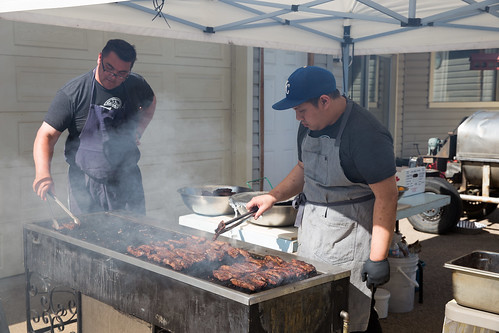
Grand Taste Tour 2016

Chef Frank Olson and crew cooking up a storm

To start, we sampled three Winding Road cheeses, accompanied by a compote made from Brix ‘N Berries cherries, and Coal Lake Honey. Winding Road is a small cheesiry that began selling its products at the French Quarter Market this year.
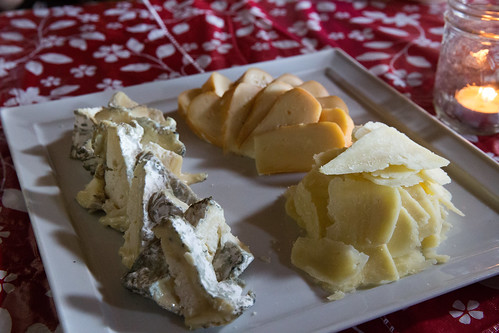
Grand Taste Tour 2016

Winding Road cheeses

Pork ribs glazed with a Saskatoon berry barbecue sauce with an underlay of kohlrabi were up next, food meant to get your hands dirty.
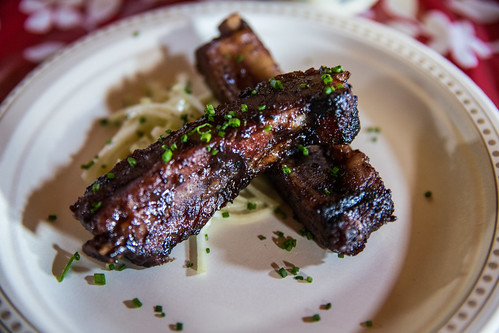
Grand Taste Tour 2016

Pork ribs

Lactuca and Sundog Organic supplied the vegetables in the salad course, made up of radishes, greens, carrots, pumpkin seeds and a green goddess dressing.
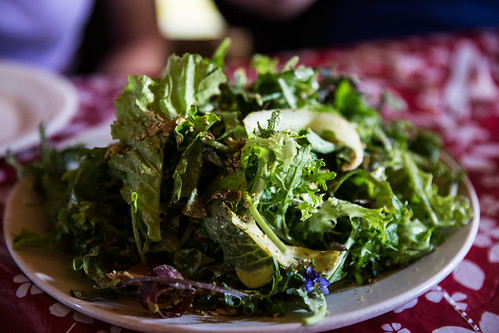
Grand Taste Tour 2016

Green goddess salad

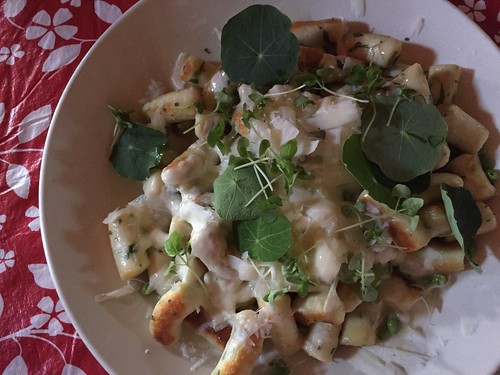
My favourite dish was the gnocchi, served with basil and tarragon from Reclaim Urban Farm, pecorino from The Cheesiry, and peas from Erdmann’s. Selfishly, I was thankful this had been served family-style, as some of my dinner companions chose not to eat their full share.
2016 Grand Taste Tour

Gnocchi

Many had been awaiting the main course – Tangle Ridge lamb was served two ways: cumin-scented meatballs, and slow roasted for 8 hours with horseradish and nettle. Perhaps it was the knowledge from the tour, but the meat was noticeably mild in flavour, outside of the spices imparted by the kitchen.

Grand Taste Tour 2016

Lamb served two ways

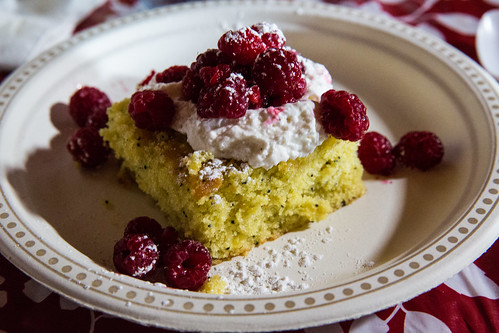
As if we weren’t full enough, the dessert course was too good to pass up, a glorious canola oil cake dolloped with whipped cream and Brix ‘N Berries raspberries.
Grand Taste Tour 2016

Canola oil cake

Thanks again to Kirsta, Amy and the rest of the Grand Taste Tour organizers for a fantastic day full of learning and great food. I’m looking forward to next year already.